

By: Matt @ HomeAndPocket.com
August 22, 2026
BLUF: Wealth is not measured by how quickly you can buy something. It is measured by how long you can follow a sound plan without becoming distracted, discouraged, or impatient.
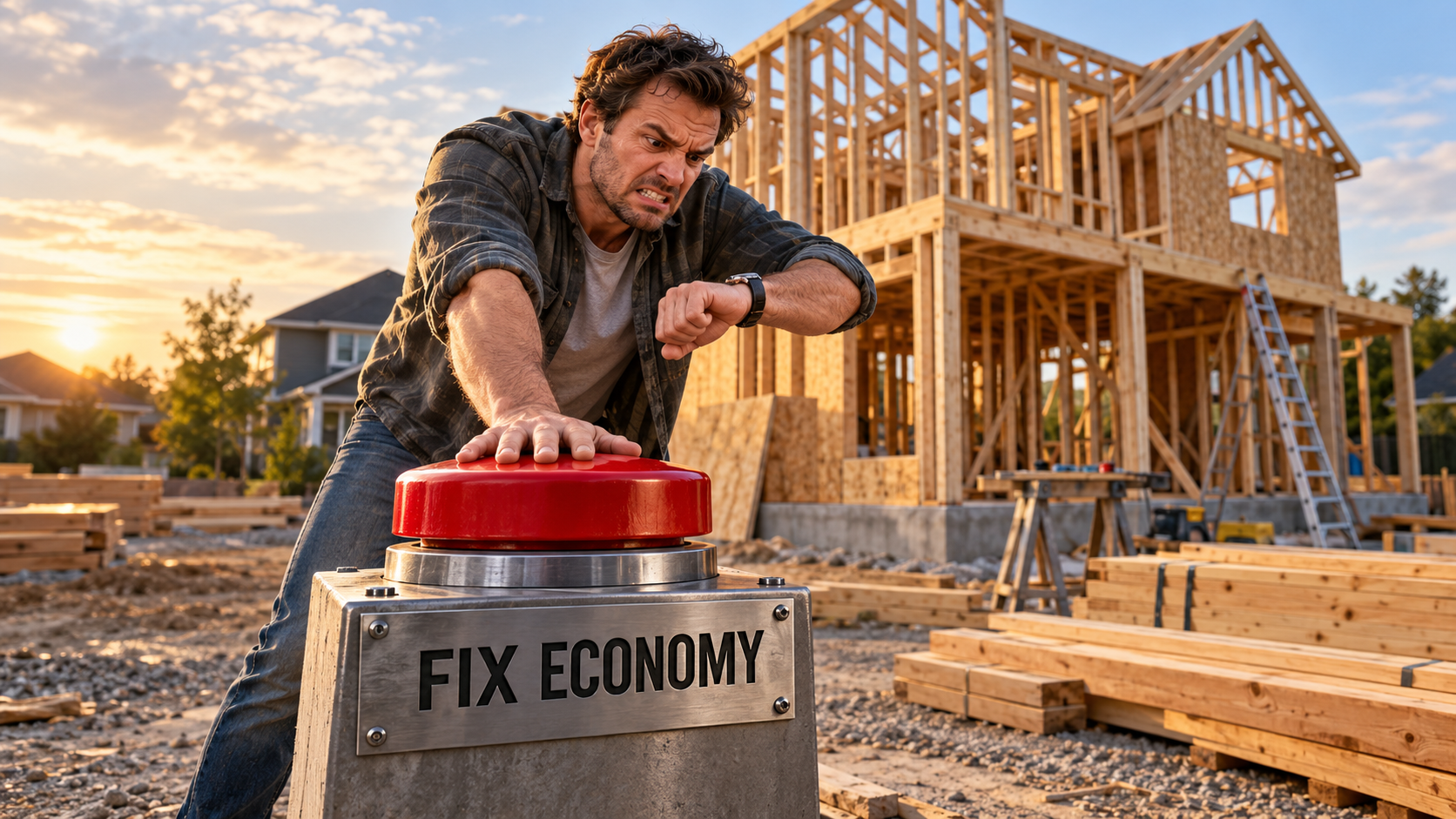
We live in an age of instant results.
Food arrives in minutes.
Packages arrive the next day.
Entertainment is available on demand.
If we want an answer, a purchase, or a distraction, we can usually get it immediately.
Money does not work that way.
Saving, investing, paying off debt, buying a home, and preparing for retirement are medium- to long-term missions. They require a plan, a working system, disciplined habits, and—most importantly—time. The results usually appear slowly, then all at once.
That is why financial patience is not passive. It is a form of discipline.
“Financial patience is the ability to keep doing the right thing before the results become exciting.” — HomeAndPocket.com
The Boring Middle Is Where Wealth Is Built
Starting is often the easy part. A new budget feels productive. Opening a savings account feels like progress. Making the first extra debt payment feels powerful.
Then the excitement wears off.
Three months later, the savings balance still looks small. The student loan is still there. Home prices have moved again. The retirement account rises one month and falls the next.
It becomes tempting to change the plan, chase a faster investment, use the savings for something else, or simply stop trying.
This is the point where many people fail—not because the original plan was wrong, but because it had not been given enough time to work.
The boring middle is where habits become permanent. It is where automatic transfers continue even when nobody is watching. It is where a person learns to live below his or her means without feeling deprived. It is where financial confidence is earned.
Small Amounts Are Not Meaningless
People often tell themselves that saving a few hundred dollars per month will not make a real difference. If they cannot save $1,000, they save nothing. If they cannot pay off the entire credit card, they make no extra payment. If they cannot invest enough to feel wealthy, they postpone investing altogether.
That thinking turns a small opportunity into no opportunity.
Three hundred dollars per month is $3,600 per year. Left untouched, it becomes $18,000 in five years and $36,000 in ten years—even before adding any bank interest or investment growth.
That could become part of a home down payment, a replacement vehicle, an emergency reserve, or the beginning of a serious retirement account.

Illustration assumes $300 saved monthly and no interest or investment return. Actual results will vary.
The lesson is not that $300 is a magic number. The lesson is that money given a purpose—and enough time—stops looking small.
Stop Digging Up the Seed
A farmer does not plant a seed on Monday, dig it up on Friday to check its progress, and then move it to another field the following week.
He prepares the ground, plants in the proper season, maintains the field, and waits.
Financial plans deserve the same treatment.
Constant changes can destroy a good plan. Moving money in and out of savings, repeatedly changing investments, abandoning a debt-payoff strategy, or raising spending every time income increases prevents momentum from forming.
Activity may feel productive, but activity is not the same as progress.
Of course, plans should be reviewed. Life changes. Income changes. Goals change. A bad plan should be corrected.
But there is a major difference between making a deliberate adjustment and reacting emotionally because progress feels slow.
“Do not confuse movement with progress. A steady plan followed for years will usually beat a perfect plan followed for weeks.” — HomeAndPocket.com
Consistency Beats Repeated Fresh Starts
Consider two people who can each set aside $300 per month. One stays consistent for ten years. The other repeatedly saves for a year, stops for a year, and then starts again.
Neither earns interest in this simple example.

Top line: consistent monthly saving. Bottom line: alternating one year of saving with one year stopped. No interest or investment return is included.
The inconsistent saver did not fail because $300 was too little. He failed because too many months were allowed to pass without serving the goal.
This principle applies almost everywhere:
- A house down payment grows through years of protected deposits.
- A car fund reduces the need for a large future loan.
- Credit card and student loan balances fall through repeated payments.
- Retirement savings grow through decades of contributions and compounding.
- Financial peace develops when good decisions become normal rather than temporary.
Build a System That Can Survive Real Life
Patience does not mean relying on willpower. A good financial system should make consistency easier.

Automate the transfer on payday. Keep long-term savings separate from daily spending. Give each account a clear purpose.
Review progress on a schedule—monthly or quarterly—not every time the market moves or temptation strikes. Increase contributions when income rises, but do not abandon the habit when a month is imperfect.
Most importantly, build some margin into the plan. A plan that requires perfect behavior every month will eventually break. A plan that allows for family expenses, repairs, holidays, and occasional setbacks can survive for years.
You do not need to win every month. You need to keep the mission alive.
Your True Wealth Is Revealed Over Time
True wealth is not always visible in a driveway, a vacation photograph, or a new purchase.
It is often hidden in the emergency you can handle, the debt you no longer owe, the options you have created, and the years of future income you have quietly protected.
Financial patience gives those results time to appear.
If you have only a few hundred dollars left each month, do not dismiss it. Assign it a job. Protect it. Repeat the process. Let months become years. The early numbers may not impress anyone, but that is not the purpose.
The purpose is to build a life in which money provides stability, options, and freedom.
Make the plan. Build the system. Practice the habit. Then have the patience to let it work.
“Real wealth is often the result of ordinary decisions repeated long after the excitement is gone.” — HomeAndPocket.com
Thanks for Reading and be Sure to Subscribe Below!





Leave a Reply