
By: Home And Pocket
September 1, 2025
Another 1-Minute Read Series Brought to you by Home&Pocket!
Every first Monday in September, Americans mark the unofficial end of summer with cookouts, parades, and one last long weekend before fall.
In essence, Labor Day has turned into the unofficial end of Summer and the start of Fall.
But Labor Day is more than a holiday for backyard barbecues and beach trips—it carries a legacy rooted in hard-fought battles for workers’ rights.
How It Started
Labor Day traces back to the late 19th century, when the Industrial Revolution was in full swing.
Factories ran long hours, working conditions were harsh, and child labor was widespread.
In response, labor unions organized strikes and rallies to demand fair pay, safer workplaces, and reasonable hours.
The first U.S. Labor Day celebration took place on September 5, 1882, in New York City, organized by the Central Labor Union.
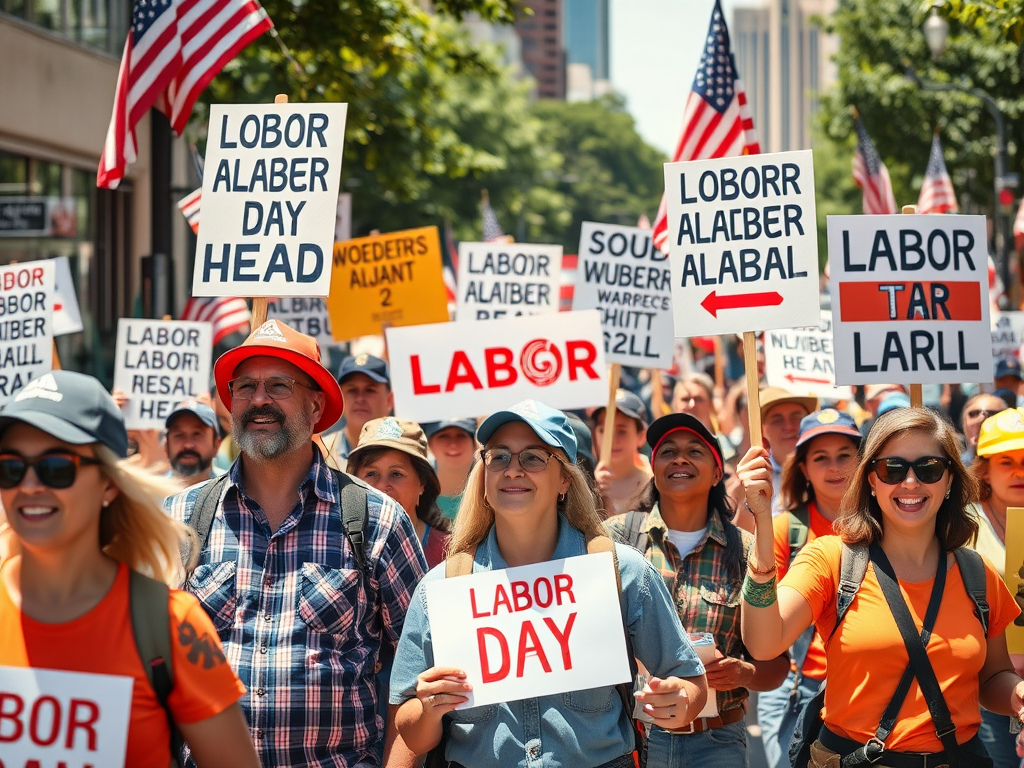
Thousands of workers marched in a parade to demonstrate solidarity and advocate for workers’ rights.
The idea caught on quickly, spreading to other states.
In 1894, following the violent Pullman Strike—where federal troops clashed with railway workers, leading to deaths and nationwide unrest—Congress moved to calm tensions.
President Grover Cleveland signed a law making Labor Day a national holiday, officially honoring the American worker.
The Original Intent
At its core, Labor Day was meant to recognize the contributions of everyday men and women whose labor fueled America’s growth.
It was both a celebration of workers and a reminder of the balance needed between industry and fair treatment of people.
What It Means Today

Over time, the meaning of Labor Day has shifted.
While fewer Americans are union members today, the holiday still serves as a tribute to the nation’s workforce.
For many, it’s a symbolic close to summer—a day filled with family gatherings, road trips, and retail sales.
Communities across the country still hold parades, echoing the spirit of that first march in New York City.
Labor Day also intersects with American culture in practical ways. Schools typically begin around this time, football season kicks off, and businesses launch fall marketing campaigns.
On the financial front, the U.S. stock markets, banks, and government offices are closed for the day.
Check out the Start to Football Season!
Quick Facts
- Labor Day is celebrated on the first Monday in September, unlike International Workers’ Day on May 1, which many other countries observe.
- It’s estimated that over 160 million people make up the U.S. workforce today.
- Wearing white after Labor Day used to be considered a fashion faux pas—a tradition dating back to early 20th-century high society.
Closing Thought
Labor Day began as a recognition of workers’ struggles and sacrifices. It was born from marches, strikes, and the determination of everyday Americans who demanded fairness and dignity in the workplace.
Today, while the holiday is often viewed as a long weekend to relax, travel, or shop sales, its meaning runs deeper.
It’s a reminder that the freedoms and comforts we enjoy—40-hour workweeks, weekends off, safer workplaces—didn’t come by accident.
They were earned through persistence and sacrifice.
So as you fire up the grill or enjoy a quiet day off, take a moment to reflect on the generations of workers who built this country, and on the fact that America’s strength has always rested in the hands of its people.
CHECK OUT MORE 1-MINUTE READS HERE!



Leave a Reply