
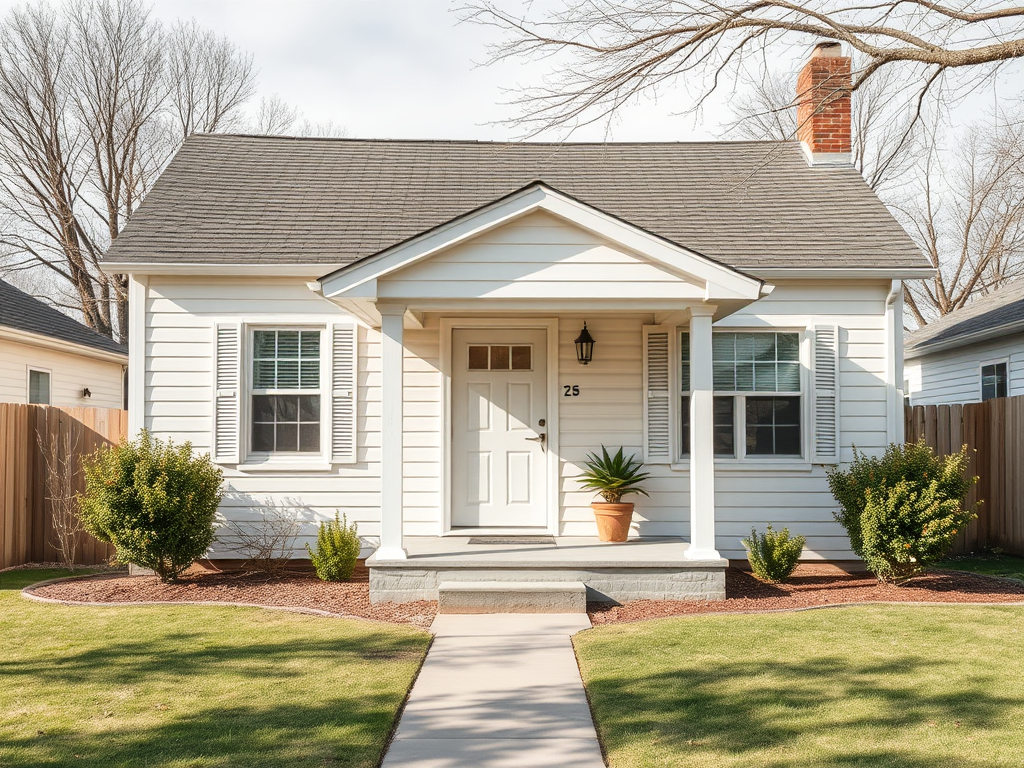
The Worst Starter Home Upgrades Most People Make That Hurt Resale Value

January 22, 2026
When you buy a starter home, the goal is simple: get in the game, build equity, and keep your options open.
Starter homes are stepping stones. They’re meant to be practical, affordable, and flexible — not forever homes loaded with luxury features that never pay you back.
Yet this is where many homeowners get tripped up: upgrading emotionally instead of financially.
Below are the worst upgrades you can make to a starter home, why they usually don’t pay off, and what to do instead.
“A starter home is a tool, not a trophy.”
1. Over-the-Top Luxury Appliances

One of the biggest mistakes homeowners make is splurging on high-end appliances in a starter home.
Top-of-the-line refrigerators, double ovens, or $10,000 stoves might seem enticing, but they can be impractical for smaller homes. Luxury appliances are not only expensive but also often require more maintenance and repairs.
Plus, the kitchen in a starter home usually doesn’t have the space or layout to justify such extravagant appliances.
High-end appliances look great on Instagram, but they rarely make sense in a starter home.
Why it’s a mistake:
- High cost with low return on resale
- Often oversized for smaller kitchens
- Higher repair and replacement costs
- Buyers expect functional, not professional-grade
Better move:
- Mid-range, energy-efficient appliances
- Clean, matching finishes
- Reliability over prestige
Instead, focus on buying mid-range, energy-efficient appliances that meet your needs. These are cost-effective, reliable, and can add value without making the rest of your home feel out of place.
2. Expensive Customization in Small Spaces
When you invest in custom features, such as built-in bookshelves or elaborate cabinetry, it can be tempting to pour a lot of money into creating a one-of-a-kind look.
However, in a smaller home, these customizations can feel overwhelming.
Built-ins, custom cabinetry, and highly specific design choices can backfire fast in a smaller home.
Why it’s a mistake:
- Limits buyer flexibility
- Makes rooms feel smaller
- Hard to remove or repurpose
Better move:
- Modular storage
- Freestanding furniture
- Simple layouts that adapt to different lifestyles
“The more custom it is, the smaller your buyer pool becomes.”
3. High-End Landscaping

Landscaping can be a great way to improve your home’s curb appeal, but overdoing it with expensive plants, intricate garden features, and outdoor kitchens can eat up your budget without adding proportional value.
Starter homes don’t always have large yards or the resources to support such ambitious landscaping projects. Plus, maintaining complex outdoor features can be costly and time-consuming.
Curb appeal matters — excess does not.
Why it’s a mistake:
- Expensive installation
- Ongoing maintenance costs
- Diminishing returns on resale
Better move:
- Native plants
- Simple hedges and mulch beds
- Clean walkways and trimmed lawn
Instead, stick to simple, low-maintenance landscaping with plants that are native to your area.
A well-kept lawn, some simple hedges, or a few flower beds can elevate your home’s exterior without breaking the bank.
4. Pool Installation
Pools are often considered a luxury feature and, while they might sound like a dream, they’re not always the best investment in a starter home.
Pools are emotional purchases — not financial ones.
Why it’s a mistake:
- High install and maintenance costs
- Safety concerns for buyers with kids
- Limits buyer pool in many markets
Better move:
- Patio or deck
- Fire pit
- Simple outdoor seating area
5. Dedicated Home Theater Rooms

Creating a home theater might seem like an exciting upgrade, but it’s a feature that typically only appeals to a small group of buyers.
In a smaller, starter home, a dedicated home theater room can often feel out of place.
Not to mention, the cost of high-end audio and visual equipment adds up quickly. It’s unlikely that this kind of upgrade will yield a significant return on investment when it comes time to sell the home.
A home theater sounds great — until buyers realize they’d rather have a bedroom or office
Instead of a home theater, consider adding multi-purpose rooms that can serve various functions, such as a cozy reading nook or an office that could later be converted into a guest bedroom.
6. Overbuilt Bathrooms
Although most people spend a lot of money on these projects and rightfully so, we spend a ton of time in our bathrooms.
These areas can become over customized and less likely to return investment when selling. But Home Depot will thank you!
Bathrooms are an essential part of any home, but going overboard on luxury bathrooms can waste both space and money.
Custom-designed, spa-like bathrooms with things like oversized bathtubs, steam showers, or radiant floor heating might sound appealing, but they can be excessive for a starter home.
Starter home bathrooms are generally smaller, and overbuilding them can make the rest of the house feel unbalanced.
Better move:
Practical storage improvements
Updated fixtures
New mirrors and lighting
7. Wall-to-Wall Carpet
No, this is not a joke. People actually do this and think it’s a good idea!

Though carpet might seem like an easy and comfortable flooring option, it often isn’t the best choice for a starter home.
Carpet can quickly wear out, especially in high-traffic areas, and can be difficult to clean.
Over time, it can become a haven for allergens, pet dander, and dust. Hardwood, laminate, or tile floors are much easier to maintain and tend to add more value to a home.
Consider choosing flooring options that are more durable, stylish, and easier to maintain in the long run.
8. Excessive Smart Home Technology
Smart home technology has become increasingly popular, but going overboard with it can be a mistake.
While a smart thermostat, smart locks, or smart lighting are practical upgrades, adding too many gadgets can create confusion or make a home feel overly complex.
Home Sound Systems are So 90’s
Not all buyers are tech-savvy, and an overload of technology may actually make the home feel cluttered or less inviting.
Instead of installing every possible smart device, focus on key areas where automation can really make a difference, like a smart thermostat or energy-efficient lighting.
9. Overbuilding for the Neighborhood

When upgrading a starter home, it’s important to keep the neighborhood in mind.
Overbuilding or adding extravagant features that are out of sync with surrounding homes can hurt your investment.
For example, if most homes in the neighborhood are modestly sized with traditional finishes, installing a huge master suite or highly customized finishes could result in you overpricing your home for the area.
Work within the context of your neighborhood by making updates that align with the local market.
A modest renovation can still add value without pushing your home out of the price range for buyers in the area.
Aim for the top third of the market — not the top 1%
10. Expensive Wall Finishes
Although it might be tempting to go all out on wall finishes — think custom paint treatments, expensive wallpaper, or textured wall panels — these upgrades can be risky in a starter home.
Not all buyers will appreciate or want these high-maintenance wall treatments, and they can be expensive to install and remove.
Furthermore, trends can change quickly, leaving you with finishes that look outdated or out of place.
Instead of intricate wall treatments, consider using simple and neutral colors, which appeal to a wider range of buyers and are less costly to refresh down the road.
Final Thoughts
While home improvements can increase the value and enjoyment of your starter home, it’s important to make upgrades that align with your budget and future plans.
Ready to Buy a Home? Follow these steps.
Avoid splurging on over-the-top features that may not be practical for your space or future resale.
A starter home isn’t about perfection — it’s about progress.
The smartest upgrades:
- Improve functionality
- Lower operating costs
- Appeal to the widest buyer pool
Avoid emotional overbuilding. Think long-term. Let your starter home do what it’s supposed to do: build equity and open doors.
Instead, focus on improvements that increase functionality, energy efficiency, and curb appeal without making your home feel out of place.
A well-considered upgrade plan will ensure you get the most value out of your starter home — both now and in the future.
“Discipline in your first home is what funds your dream home later.”
As Always – Thanks for Reading and be Sure to Subscribe Below!




Leave a Reply