

A Year Defined by One Word: Affordability

Every year develops a theme often driven by upcoming financial shifts. Sometimes it’s obvious in hindsight, sometimes you can feel it forming in real time.
For 2026, that theme is Affordability.
You’ll hear the word everywhere.
Politicians will use it.
Media outlets will repeat it.
Corporations will frame their messaging around it.

Both major political parties will run straight at it during the midterm cycle. Not because it’s new — but because pressure has finally built to the point where ignoring it is no longer an option.
Now, this is not a political site, and this article isn’t about campaigning or partisan blame. But pretending politics doesn’t influence money, housing, jobs, taxes, and markets is naïve.
Families don’t live in theory — they live in reality. And reality is shaped by policy, incentives, and economic direction.
That said, the biggest mistake Americans make is waiting for affordability to be delivered to them.
Affordability is subjective. It always has been. No one — at any point in history — has ever said, “Things are affordable right now.”
Everyone remembers a time when things were cheaper. That’s inflation. That’s human memory. That’s also human nature.
And let’s be honest — we are greedy by default. If you won a million dollars tomorrow, you’d complain about the taxes by dinner. That doesn’t make you evil; it makes you human.
But pretending affordability will ever feel comfortable is a losing strategy.
So instead of waiting for affordability to arrive, this article focuses on what’s far more important:
What is likely to happen in 2026 — and how adults who take responsibility can prepare, adapt, and win for their families.
The Shift Is Already Underway
We don’t have to guess blindly. Several major signals are already flashing.
Two areas that define American life more than almost anything else were addressed almost immediately this year:
- Consumer debt (credit cards)
- Housing
Those aren’t random. They’re pressure points.

Credit Cards: Relief or a Trap
A proposed 10% cap on credit card interest rates for 12 months is, on the surface, a massive win for households drowning in consumer debt. And let’s be clear — it will help people who are serious about digging themselves out.
Lower interest means:
- More of your payment hits principal
- Less compounding working against you
- Faster exits from bad debt
But here’s the hard truth no one likes to say out loud:
Interest rate caps don’t fix behavior.
If someone treats a capped rate as permission to borrow more, they’re not solving a problem — they’re extending it. This policy creates a fork in the road:
- One group will use it to get out of debt and breathe again
- Another group will treat it like a sale sign and dig deeper
The difference isn’t policy. It’s maturity.
2026 will reward people who see temporary relief as a chance to reset — not to indulge.
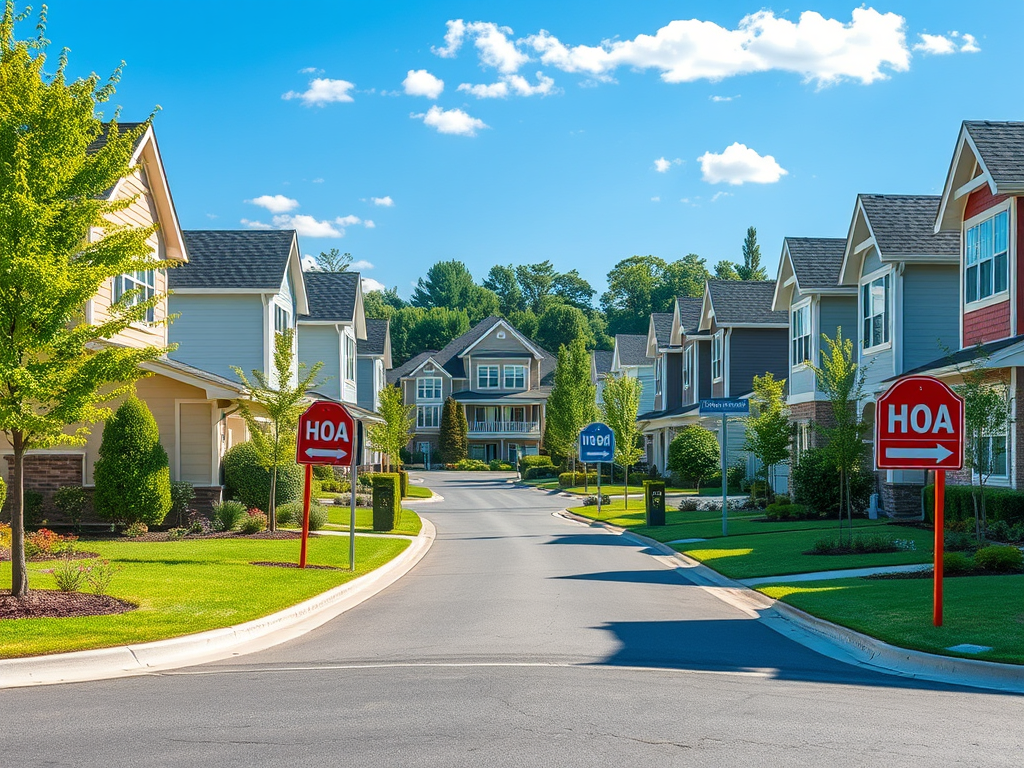
Housing: The Elephant That Never Leaves the Room
Housing remains the most emotional and misunderstood part of the American economy.

Here’s the reality going into 2026:
- Rates are still historically elevated compared to the last decade
- Inventory remains tight, especially in desirable areas
- Prices are up — and they’re not crashing
Despite what social media says, a nationwide housing collapse isn’t coming. What is happening is more subtle and far more important.
Institutional Buyers Are Being Reined In
Limiting or banning large institutions from buying up single-family homes changes the game — not overnight, but meaningfully over time.
That means:
- Less artificial demand
- More inventory returning to owner-occupants
- Slightly more negotiating power for real families
Pair that with renewed mortgage bond activity and easing inflation, and you get something Americans haven’t felt in years:
Stability.
Not cheap. Not easy. But more predictable.
And predictability is opportunity.
Income Finally Beats Inflation
This is one of the most underreported shifts heading into 2026:
For the first time in roughly five years, income is projected to outpace inflation.
That matters more than any headline.
When income grows faster than prices:
- Savings becomes possible again
- Debt becomes easier to manage
- Investing stops feeling theoretical
But only for people who don’t immediately inflate their lifestyle to match every raise.
This is where most Americans fail.
They don’t get poorer because they earn too little — they get poorer because every dollar earned is pre-spent in their mind.
2026 will quietly punish lifestyle creep and quietly reward discipline.
Taxes, Jobs, and Movement
Several secondary effects are likely this year:
Tax Returns Will Likely Improve
Between wage growth and easing inflation pressures, many households will see larger refunds or smaller balances due.
This is where wisdom matters.
A tax refund is not found money. It’s delayed money. What you do with it tells the truth about your priorities.
Inventory Will Open Up
Summer mobility is expected to increase:
- More job changes
- More relocations
- More homes listed
This doesn’t mean prices fall dramatically. It means options expand.

Jobs Will Expand
With tariffs no longer dominating short-term economic fear, businesses are more willing to hire, invest, and expand.
Opportunity favors those who are skilled, adaptable, and willing to move — geographically or professionally.
Markets: Opportunity With Conditions
Here’s the blunt assessment:
2026 has the potential to be one of the strongest market years in over a decade.
That doesn’t mean straight lines or easy wins.
Technology stocks are likely slightly overextended after last year’s rally. Expect volatility. Expect pullbacks. Expect fear-driven headlines.
But for investors:
- Contributing consistently
- Diversified across sectors
- Focused on ownership, not hype
This environment is a gift.
Here’s the part no one wants to hear:
If you don’t own stocks, mutual funds, or contribute to a 401(k), you don’t get to complain when others earn 15–20% returns.
The American capitalist system does not reward spectators.
Affordability Is Not Your Problem — Behavior Is
This is the section that will irritate people. Good, it should.
You cannot say you want affordability while spending $1.20 for every $1 you earn.
That’s not an affordability crisis.
That’s a math problem.
Things are often far more affordable than people want to admit — they’re just living outside their means.
- New cars instead of used
- Financing convenience instead of delaying gratification
- Subscription creep
- Lifestyle signaling disguised as necessity
Affordability doesn’t mean “I can buy whatever I want.”
It means I can meet my obligations, build margin, and invest for the future.
Life is a series of choices and problems – Solve the Problem!
The Right Way to Use a Boom Year
If credit card rates are capped, don’t borrow more.
If markets surge, don’t chase.
If income rises, don’t immediately spend it.

Boom years are not for showing off. They’re for:
- Eliminating bad debt
- Building emergency reserves
- Investing consistently
- Positioning your family for the next downturn
Because downturns always come.
People who win long-term are the ones who prepare during good times, not the ones who panic during bad ones.
Self-Education Over Indoctrination
2026 will bombard you with opinions.
Influencers, headlines, talking points, outrage — all designed to keep you distracted and dependent.
Check out where I get my news from: NEWSOLA
Real self-education looks boring:
- Reading balance sheets
- Understanding compounding
- Learning tax basics
- Knowing how interest actually works
No one is coming to save your family’s finances.
That responsibility has always belonged to adults — and always will.
Final Thoughts: Grow Up and Win
This year offers real opportunity.
But opportunity doesn’t care about excuses.
Stop blaming systems while refusing to participate in them.
Stop waiting for perfect conditions.
Stop pretending victimhood is noble.
It’s not attractive — and it’s not productive.
Take responsibility.
Educate yourself.
Act like the future of your family depends on your decisions — because it does.
Make it happen.
Good luck to all — and here’s to a strong, disciplined, and prosperous 2026.
As Always, Thanks for Reading and be sure to Subscribe Below!



Leave a Reply