
By: Matt @ – HomeAndPocket.com
June 10, 2025
Maslow was a psychologist. He created his famous “Hierarchy of Needs.” When he did so, he likely didn’t anticipate its future applications.
His theory would one day be used to explain everything from business leadership to family budgeting. .
We find ourselves in a world where modern families face unprecedented financial pressures. Maslow’s pyramid serves as a surprisingly practical tool.
It helps in understanding what it takes to build real, lasting financial wellness.
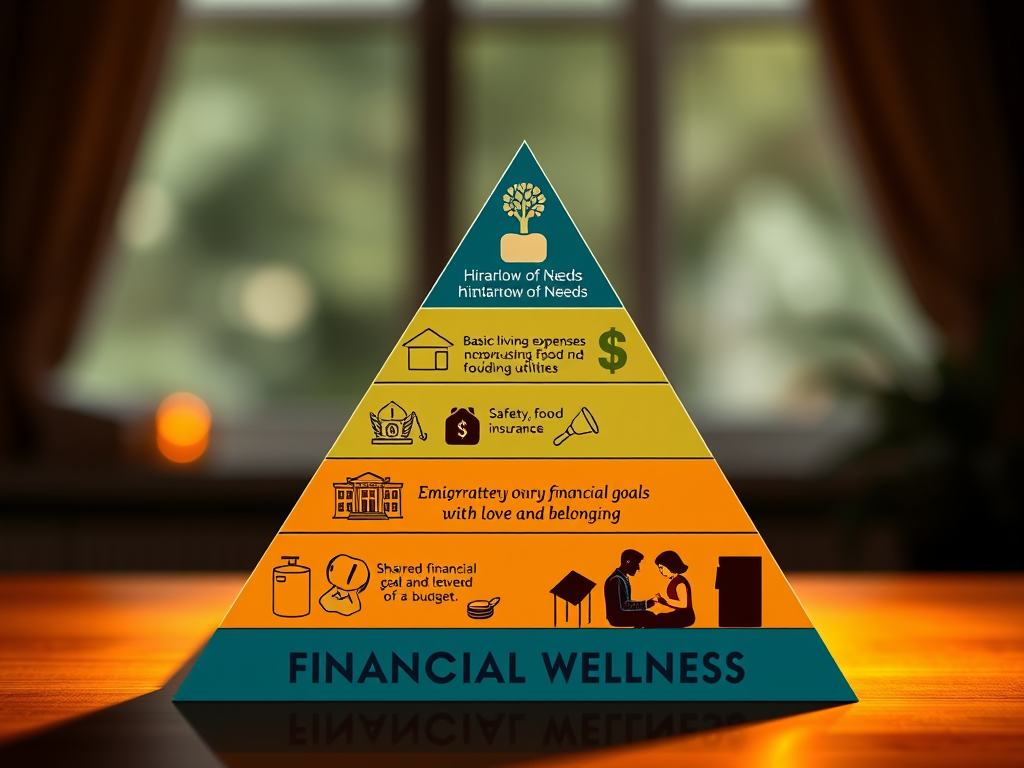
Maslow’s hierarchy outlines five tiers of human motivation—starting with the most basic needs (like food and shelter) and moving up toward self-actualization (purpose, fulfillment, legacy).
When applied to family finances, this framework becomes a powerful lens through which to assess your family’s economic well-being and plan with clarity and purpose.
Here’s how to apply Maslow’s Hierarchy of Needs to your family’s financial life, one level at a time.
1. Physiological Needs → Covering Basic Living Expenses

**”You can’t build wealth if you’re drowning in bills.”
Maslow’s base level is all about survival: food, water, shelter, rest. In financial terms, this means having a dependable income and a plan for managing the everyday costs of living.
Rent or mortgage, groceries, utility bills, transportation—these are your family’s foundation…
Key Actions:
- Create a realistic, written budget.
- Cut unnecessary expenses.
- Eliminate high-interest debt.
If your family can’t cover basic bills without using credit cards or payday loans, you’re stuck at the first level—and that’s okay to admit.
That honesty is what allows you to climb.
2. Safety Needs → Emergency Fund, Insurance, and Stability
**”Financial peace of mind is built in the quiet months, not the chaotic ones.”
Once your family is keeping the lights on and food in the fridge, the next step is to create safety. Financial safety means being prepared for the unexpected—a job loss, medical emergency, or car breakdown shouldn’t break the family.
Key Actions:
- Build a 3–6 month emergency fund.
- Get life, health, and home/renter’s insurance.
- Eliminate unstable or risky debt.
Families that live paycheck to paycheck often stay in a cycle of crisis. Security allows you to stop reacting—and start planning.
DON’T WAIT START TODAY:
Reviving the American Dream: Steps to Attain It
Avoiding Wealth: 5 Habits That Keep You Poor
3. Love and Belonging → Shared Financial Goals and Communication
**”Money arguments end where teamwork begins.”
Maslow’s third level is about relationships.
For a family, this means unity around money decisions.
Open financial communication fosters trust, cooperation, and harmony at home..

Key Actions:
- Have monthly money talks.
- Align financial goals as a couple or family.
- Teach kids age-appropriate money habits.
“The family that plans together, stands together.”
When both partners understand and contribute to the plan, resentment disappears, and teamwork grows.
Include the kids in small ways. Even a five-year-old can learn what it means to save for something special.
4. Esteem Needs → Progress, Confidence, and Recognition
**”Money isn’t just math—it’s a reflection of discipline and self-respect.”
As your family gets more financially secure, you’ll want to feel like you’re winning.
This is where you set milestones and celebrate victories. It’s not about flaunting wealth—it’s about pride in progress.
Key Actions:
- Set short-term and long-term savings goals.
- Pay off a credit card or student loan.
- Track your net worth monthly.
Confidence builds when you see results. Whether it’s finally paying off the car or saving your first $10,000—those wins should be recognized and celebrated.
5. Self-Actualization → Wealth with Purpose and Legacy
**”When your money serves a mission, your family thrives.”
The top of Maslow’s pyramid is self-actualization—becoming the best version of yourself. For families, this means using your financial position to live intentionally, leave a legacy, and make an impact.
Key Actions:
- Create a will or estate plan.
- Invest in education, values, and experiences.
- Start a family business or charitable project.
“True wealth isn’t what you keep—it’s what you leave behind.”

Whether it’s sending a child to college without debt or supporting your church or community center, your money can mean something more than just security.
Final Thoughts: Know Where You Stand
Every family deserves to feel financially secure. But not every family knows where they stand.
That’s where Maslow’s framework helps. It shows us that you don’t need to be rich to thrive—but you do need to be stable.
And stability comes one step at a time.
Look at the pyramid. Be honest. Are you stuck at level 1, still trying to pay rent on time?
Are you coasting at level 3, but never feel fully in sync with your spouse about money? Or maybe you’re finally building wealth—and need to think about what legacy you want to leave?
Wherever you are, there’s a next step. One you can take today.
At HomeAndPocket.com, we believe every family deserves to live with purpose—not paycheck to paycheck.
Let this framework guide you. Build a strong base. Protect your house. Love your people. Set goals. Leave a mark.
**And remember: wealth isn’t the end goal—**stability, unity, and purpose are.






Leave a Reply