
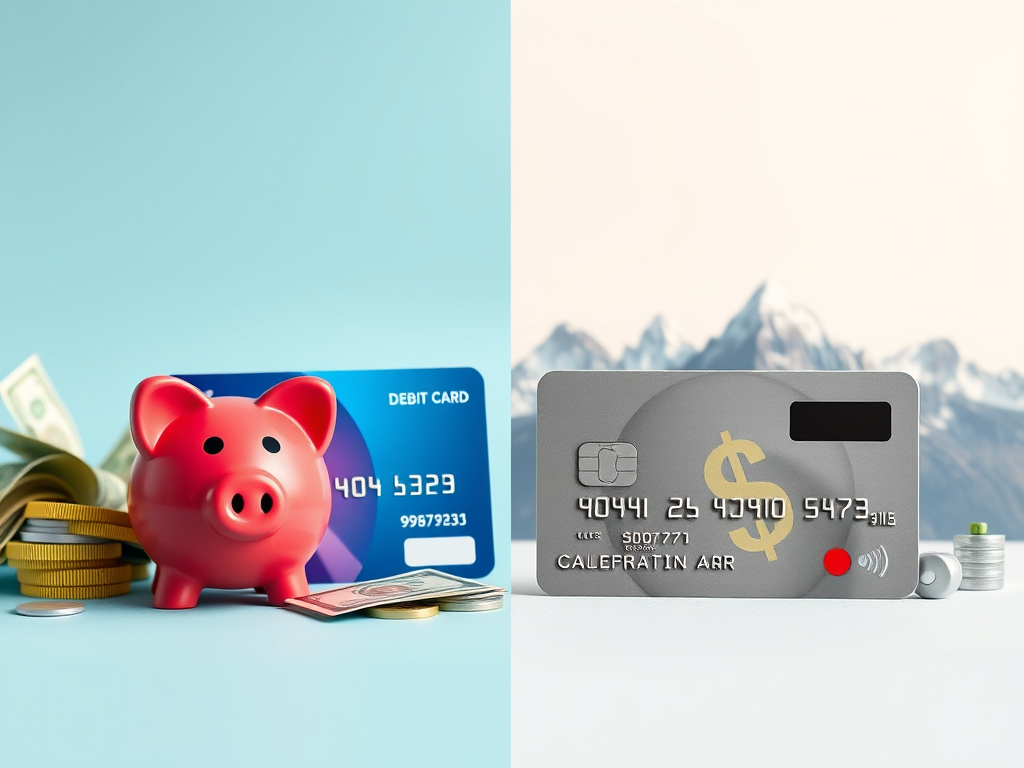
A debit card is a payment card linked directly to your bank account. When you use a debit card to make a purchase, the money is immediately deducted from your account. Debit cards are commonly used for everyday transactions like shopping, withdrawing cash from ATMs, or paying bills.
Advertisements
Key Difference Between a Debit Card and a Credit Card:
- Source of Funds:
- Debit Card: The funds come directly from your checking or savings account.
- Credit Card: You borrow money from the card issuer (such as a bank) up to a predetermined credit limit. You must repay the borrowed amount, often with interest if not paid in full.
- Spending Limit:
- Debit Card: You can only spend the amount available in your account.
- Credit Card: You can spend up to the credit limit set by the issuer, regardless of your account balance, as long as you pay the bill.
Advertisements
- Repayment:
- Debit Card: No repayment is required since the money is immediately deducted from your bank account.
- Credit Card: You must repay the money you borrow, usually on a monthly basis, and paying only a minimum balance can result in interest charges.
- Interest and Fees:
- Debit Card: Typically, there are no interest charges, though there could be fees for overdrafts or certain transactions.
- Credit Card: Interest charges apply if the balance is not paid in full by the due date, along with potential late fees.
- Credit Impact:
- Debit Card: Using a debit card does not affect your credit score.
- Credit Card: Using a credit card responsibly can help build your credit score, but missing payments can hurt it.
Advertisements
In short, a debit card uses your own money, while a credit card allows you to borrow money and repay later.
Advertisements






Leave a Reply