
By: Matt @ Home & Pocket
February 19, 2025
In the fast-paced world we live in today, it’s easy to get swept away by the allure of living in the moment.
On the flip side, we’re constantly reminded of the importance of planning for the future, saving for retirement, and investing in long-term goals to secure not only our own financial well-being but also that of our children.
This can all be traced to the consumer culture we have built in the U.S. and other similar countries.
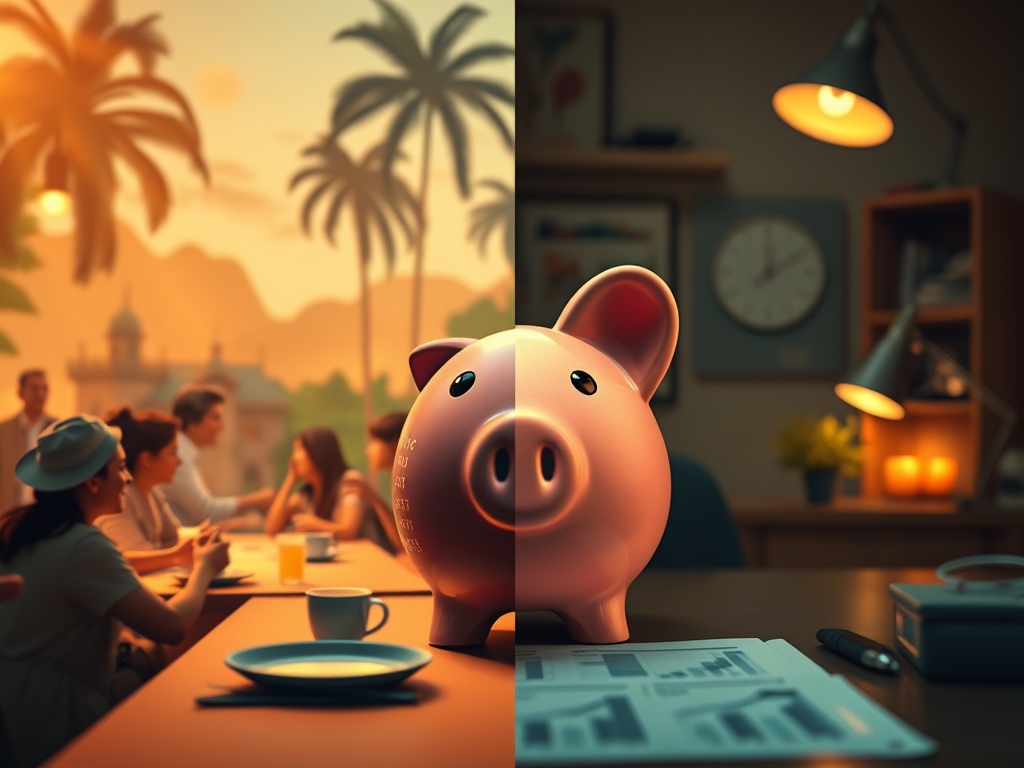
The tension between living for today and preparing for tomorrow is a delicate one
Can we truly balance the desire to experience life’s pleasures while also setting ourselves up for long-term success?
The good news is that it is possible to strike a harmonious balance between enjoying the present and preparing for the future. In fact, doing so can lead to a more fulfilling and well-rounded life. Here’s how.
The Allure of Living in the Moment

For many, the concept of “living in the moment” is both seductive and empowering.
The idea of seizing the day — taking spontaneous trips, buying the latest luxury items, dining at expensive restaurants — is often tied to the belief that life is too short to delay gratification.
This mindset, frequently endorsed in pop culture and by social media influencers, is particularly appealing in a society where immediate access to pleasure has never been easier.
“The present moment is the only time over which we have dominion.”
— Thich Nhat Hanh
A significant part of the appeal lies in the sensory and emotional experiences these indulgences provide.
A lavish vacation, a luxurious new car, or simply dining at a five-star restaurant can create unforgettable memories and provide a sense of accomplishment and status.
Many people also find that these experiences foster a sense of happiness and fulfillment, helping them to feel more alive and connected to the world around them.
However, the desire to live for today can be problematic if it leads to excessive spending, neglecting long-term financial stability, or sacrificing important future goals like buying a home, saving for retirement, or funding your children’s education.
The Importance of Saving and Investing for the Future

On the other hand, preparing for the future is often seen as a more prudent and responsible approach to financial well-being.
Saving money, building an emergency fund, and investing in assets that will grow over time are all vital components of creating a stable financial future.
Retirement planning, in particular, becomes increasingly important as people approach middle age, when it’s essential to ensure there are enough funds to live comfortably when no longer working.
“Do not save what is left after spending, but spend what is left after saving.”
— Warren Buffett
Investing in the future isn’t just about retirement — it’s also about securing the well-being of your children, funding their education, and building a legacy that will help them thrive.
Additionally, financial security can reduce stress and anxiety, giving you peace of mind knowing that you’re prepared for any unexpected circumstances.
However, constantly focusing on saving for the future can be emotionally draining. This is especially true if there are no breaks built in or a long-term goal.
The pressure to save, invest, and sacrifice can lead to a sense of deprivation, which might cause individuals to feel disconnected from the present.
Moreover, when we’re always looking ahead, we may miss out on life’s fleeting moments and fail to enjoy the journey as we chase the destination.
Striking a Balance: Having a Little Bit of Both…
The key to balancing living in the moment with planning for the future is finding a middle ground where you can enjoy life’s pleasures without sacrificing your financial security.
Fortunately, this balance is not only possible but also sustainable in the long run with some thoughtful strategies:
1. Create a Budget that Includes Both Enjoyment and Savings
The first step in achieving this balance is having a clear understanding of your finances.
A comprehensive budget allows you to allocate portions of your income toward both current enjoyment and future savings. When you create a budget, ensure that it includes:
- A fund for spontaneous pleasures: Set aside a specific amount of money each month for entertainment, dining out, or travel. This will allow you to indulge in life’s pleasures without guilt, knowing that you have planned for these expenses.
- A retirement savings plan: Make saving for retirement a non-negotiable item in your budget. Consider using tax-advantaged retirement accounts such as 401(k)s or IRAs to build your nest egg.
- An emergency fund: Having an emergency savings fund will ensure that you can handle unexpected expenses without derailing your long-term goals.
- Education and investment goals: If you have children, start planning for their future by investing in education savings accounts or contributing to their 529 plans.
When you carefully plan your finances, you can confidently enjoy the present without fear of jeopardizing your future. No different than a workout plan that accounts for Rest Days.
2. Prioritize Long-Term Enjoyment Over Short-Term Pleasures
Sometimes, the best way to indulge in life’s pleasures is to focus on experiences that create lasting memories rather than fleeting moments.
For example, instead of buying an expensive item on impulse, consider planning a vacation that will offer you relaxation and new experiences. Research shows that people tend to derive more happiness from experiences than material possessions.
Here’s one of my favorite quotes on this topic:
“Adults devise a plan and follow it; children do what feels good.”
— Dave Ramsey
Additionally, experiences often contribute to our personal growth and bring us closer to others, building bonds that enhance our overall sense of fulfillment.
By prioritizing experiences over material goods, you can still enjoy the present while investing in memories that will last a lifetime.
3. Practice Mindful Spending
Mindful spending involves being intentional about how you use your money.
It means considering whether a purchase will genuinely add value to your life or if it’s simply a fleeting impulse. This practice helps you strike a balance between living for today and saving for tomorrow.
Instead of mindlessly buying luxury goods, you may choose to invest in items or experiences that provide long-term satisfaction or enhance your overall well-being.
4. Automate Savings and Investments
One effective way to balance living in the moment with saving for the future is by automating your savings and investment contributions.
Set up automatic transfers into your retirement or investment accounts each month, and treat this as a non-negotiable expense. This way, your future financial health is taken care of without you having to think about it constantly.
With the remainder of your income, you have the flexibility to enjoy life’s pleasures, knowing that your future is secure.
5. Reframe Luxury and Leisure
It’s possible to enjoy a luxurious lifestyle without overspending. Luxury doesn’t always have to mean extravagant purchases; it can also refer to the quality of experiences.
Opt for cost-effective leisure activities like spending time in nature, exploring new hobbies, or enjoying the luxury of relaxation and time with loved ones. These moments often provide the same satisfaction as material luxury but come with far less financial strain.
“If you want to be happy for a day, go fishing. If you want to be happy for a year, win a lottery. If you want to be happy for a lifetime, help someone.”
— Nick Saban
Conclusion
Balancing the desire to enjoy life today with the need to prepare for the future is a challenging yet achievable task.
It’s about making conscious choices that allow you to live in the moment while still ensuring financial security down the road.
By budgeting wisely, you can create a life that is rich in present-day pleasure. Focusing on experiences will contribute to future prosperity.
Practicing mindful spending is essential. Automate your financial goals to secure your future. In the end, it’s not about choosing one over the other — it’s about creating a life that offers a little bit of both.




Leave a Reply to Welcome to “Weekend Web Warriors” MARCH. (25-05) – Home & PocketCancel reply